

Blog
Cotton vs Modal vs Bamboo Boxer Shorts: Which Fabric Fits Your Brand?

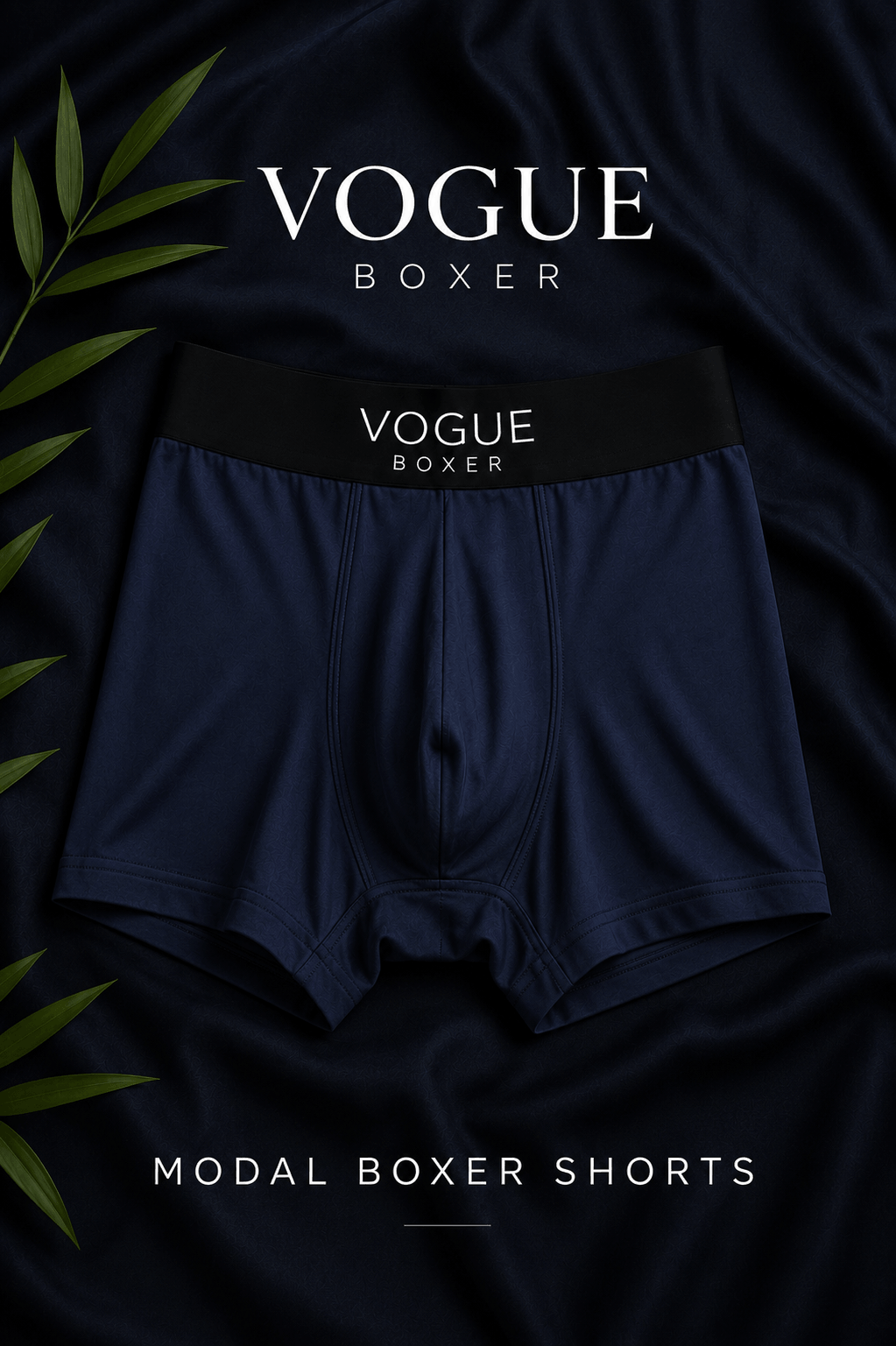
Choosing between cotton, modal and bamboo boxer shorts is a product development decision, not simply a marketing preference. Each fibre family can create a different wearing experience depending on yarn quality, knitting construction, fabric weight and elastane content. This guide helps private label underwear buyers ask the right questions before approving bulk production.
Start with the fabric specification, not only the fibre name
Two garments labelled “cotton boxer shorts” can feel very different. Jersey construction, yarn count, fabric weight, finishing and elastane percentage all affect softness, stretch, recovery and durability. Ask suppliers for a complete fabric composition and sample. Compare actual garments after wear and washing rather than relying only on descriptions.
Cotton boxer shorts: familiar and versatile
Cotton is widely recognized by consumers and works well for everyday underwear positioning. A cotton-rich jersey with suitable stretch can deliver a comfortable, recognizable hand feel. It can also be a practical starting point for brands building a core essentials collection. However, shrinkage, pilling, colourfastness and dimensional stability depend on the exact construction and finishing.
For cotton-based collection options, explore our private label cotton boxer shorts manufacturing page.
Modal boxer shorts: a soft, fluid hand feel
Modal is a regenerated cellulose fibre frequently selected for underwear designed around softness and drape. Blending modal with other fibres and elastane can influence fit and recovery. Review the actual sample for opacity, stretch and care performance; softness on day one is not the same as performance after repeated laundering.
Visit our modal boxer shorts manufacturing page for custom waistband, fit and branding possibilities.
Bamboo boxer shorts: check exactly what the label means
Products marketed as “bamboo fabric” are often made from regenerated viscose derived from bamboo rather than mechanically extracted natural bamboo fibre. Fibre naming and advertising claims must follow the rules in your sales markets. Request accurate material composition from your manufacturer and avoid assuming specific environmental or antibacterial properties without appropriate evidence.
Explore bamboo boxer shorts manufacturing and discuss the available fabric construction for your collection.
Practical comparison for a private label collection
| Selection factor | Cotton | Modal | Bamboo-derived viscose |
|---|---|---|---|
| Typical positioning | Everyday essentials | Soft premium comfort | Soft comfort and drape |
| Feel | Depends on yarn and finish | Often smooth and fluid | Often smooth and fluid |
| Stretch and recovery | Depends on knit and elastane | Depends on knit and elastane | Depends on knit and elastane |
| Key sample checks | Shrinkage and colourfastness | Pilling and shape retention | Labelling and wash stability |
This table is a product-development starting point, not a guarantee of performance. Testing results and an approved sample should determine the final specification.
Five questions to ask before selecting fabric
- What is the exact fibre composition, weight and knit construction?
- How much elastane is included and how does the waistband recover?
- What are the available colours, prints and minimum order quantities?
- Which shrinkage, pilling and colourfastness tests are available?
- Can the final sample be reviewed after washing before approval?
Align fabric with fit and waistband design
Fabric choice is only one part of boxer design. Rise, inseam, leg opening, seams and waistband tension affect comfort as much as the fabric label. A smooth modal blend may not perform well if its pattern is too tight, just as a cotton style may need different elastic or seam construction. Develop the garment as a complete product.
Next steps for underwear brands
Build a short brief describing your target customer, preferred hand feel, price position, fabric options, sizes, waistband artwork and order volume. See our technical pack checklist for details, or contact Vogue Boxer to discuss custom samples and private label production in Turkey.
Frequently asked questions
Is modal always more comfortable than cotton?
No. Comfort depends on the wearer and the complete fabric and garment construction. Comparing approved samples is more reliable than comparing fibre names alone.
Is “bamboo” a sufficient fibre label?
Not necessarily. Ask for the precise fibre identification and check destination-market labelling regulations before finalizing labels and packaging.
How to compare fabric samples fairly
Ask for the same boxer pattern, size and waistband in each candidate fabric. Compare the garments when new and after the same agreed wash and drying conditions. Record how the fabric feels, how well it recovers after stretching, and whether the garment measurements or colour change.
Use that comparison to choose which sample moves forward. Ask the manufacturer to confirm the selected composition, fabric weight and finish in the production specification.