

Blog
Custom Boxer Shorts Tech Pack Checklist for Private Label Manufacturing

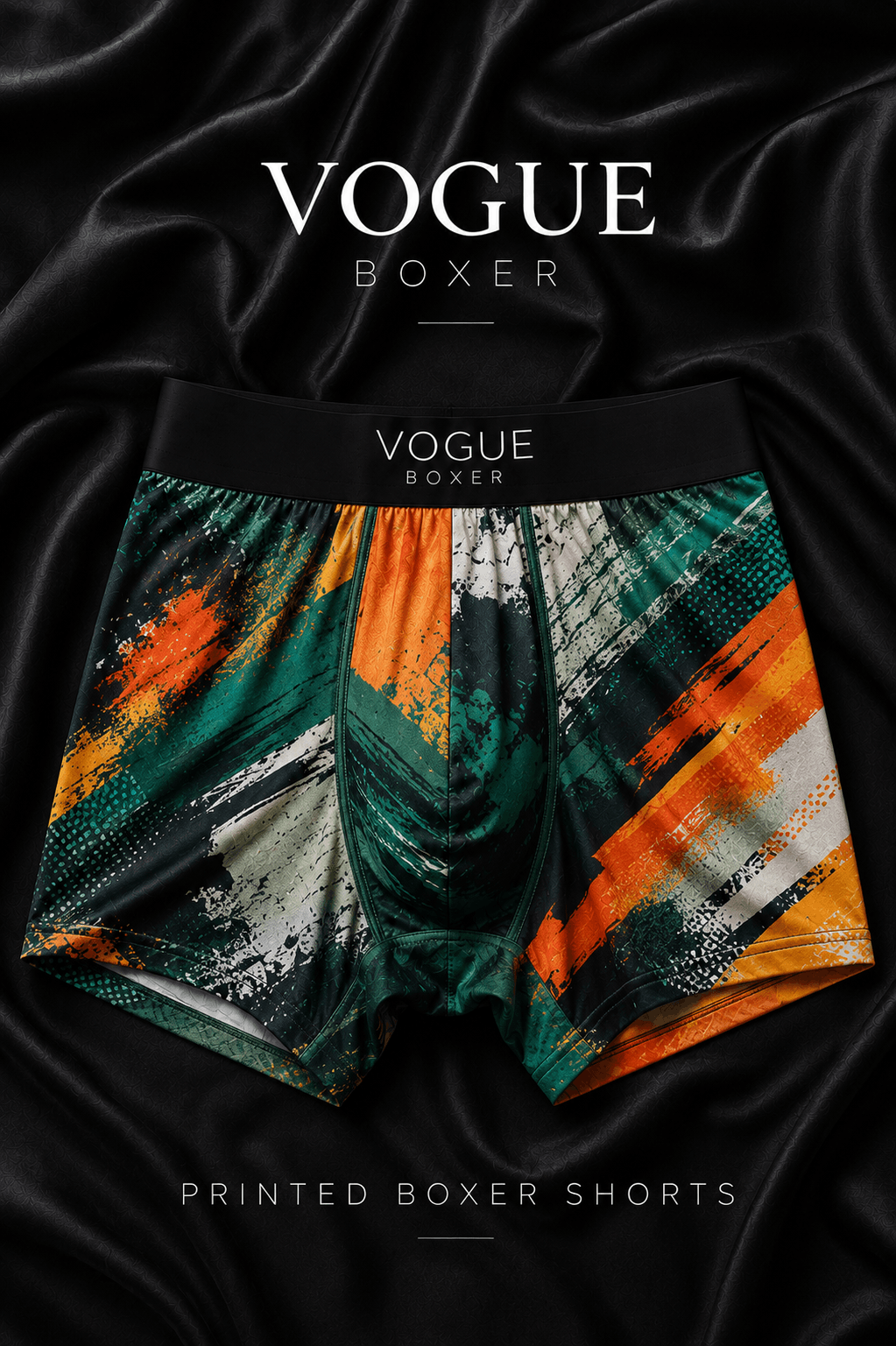
A boxer shorts tech pack helps your manufacturer understand exactly what you want to produce. It reduces avoidable questions, sample revisions and differences between the approved garment and a bulk order. You do not need complicated software to start, but every important measurement and branding decision should be documented.
What is a boxer shorts tech pack?
A tech pack is a set of product instructions: sketches, measurements, fabric specifications, construction notes, waistband details, labels, artwork, packing rules and a revision history. It serves as the reference for development, sample approval and production checks.
1. Record the product identity
- Brand name and style code
- Product name, such as men’s boxer briefs or loose-fit woven boxers
- Target customer and intended market
- Season, version number and revision date
- Photographs or technical flats showing front, back and side details
Use a unique style code for every construction. If you are developing both a standard and a longer-leg boxer, treat them as separate specifications unless the manufacturer advises otherwise.
2. Specify fabrics and components
List the main fabric composition, approximate weight, knit or woven construction, colour references and required stretch. Specify contrast panels, gussets, bindings, threads and any relevant finishing. Do not leave fabric selection at “soft cotton”; the phrase does not tell a factory what material to purchase.
When comparing options, review our cotton, modal and bamboo fabric guide. Vogue Boxer also offers manufacturing directions for microfiber and performance boxer shorts.
3. Include a measurement chart
Provide a base size with the points of measurement, then indicate how dimensions change by size. Typical measurement points include relaxed waistband width, stretched waistband width, front and back rise, inseam, side length, leg opening and gusset dimensions where relevant. State whether measurements are taken flat and define tolerance ranges.
Important: Avoid copying a competitor’s size chart without validating the fit on a real sample. Your intended customer and fabric stretch will affect the final dimensions.
4. Describe seams and construction
Indicate the type and placement of major seams, leg opening finish, gusset construction, number of panels and any special reinforcements. Photos with numbered callouts work well for communicating design details. When a construction method must be exact, provide a reference sample or close-up photograph.
5. Supply waistband artwork
Waistbands are a highly visible part of branded underwear. Include waistband width, colour, elastic type, logo placement, repeat distance, artwork file and any restrictions on the logo’s orientation. If you want jacquard or printed branding, make that requirement explicit. Confirm the approved appearance on a physical sample rather than a flat digital mockup alone.
6. Define labels and compliance information
Specify brand labels, size labels, care labels, fibre composition and origin marking requirements. The final wording may depend on the country where you will sell the garments; have your compliance adviser review it. Do not request an unsupported certification logo or a claim that has not been verified.
7. List colours, print files and quantities
Record every colourway by name and reference code, the intended size ratio and the order quantity for each design. For printed boxer shorts, include repeat dimensions, artwork placement, colour references and file-format requirements. Ask about minimums and lead times before assuming that every colourway can be produced in small batches.
8. Define packaging and shipping requirements
Specify whether you need folded garments, individual polybags, retail boxes, bellybands, hangtags, barcodes, carton labels or bulk packing. Provide your preferred destination and any retailer-specific packing instructions. Confirm responsibility for freight, customs and import documentation separately.
9. Create a sample approval log
Record the date, size, fabric and specific corrections for each sample version. Distinguish between “sample approved for fit” and “sample fully approved for production.” Keep the final signed specification and reference sample available for quality control.
10. Send a complete quotation request
Include the latest tech pack, estimated order quantity, planned colours and sizes, required sample timeline, expected shipment date and destination country. Vogue Boxer lists a general starting MOQ of 2,500 pieces, subject to the specific product and customization requirements; confirm the minimum for your project during quotation.
Quick checklist before contacting a manufacturer
- Style name, sketches and reference photos
- Size chart and fit requirements
- Fabric composition, weight and colour details
- Seams and construction instructions
- Waistband and logo artwork
- Labels and packaging specifications
- Quantity per size and colour
- Sample approval, testing and shipping requirements
For more guidance, read how to start a private label boxer shorts brand. Ready to discuss a project? Send Vogue Boxer your design brief for a manufacturing quotation.
Example: how to write a measurable tech pack line
For a fit sample, record each point of measure with its method, target and tolerance. For example: half waist measured flat and relaxed, size M, target 34 cm, tolerance ±0.5 cm. Treat those numbers as an illustration. Set your own targets and agree them with the manufacturer before sampling.
Put the style code, revision date and size on the measurement sheet. If a sample needs correction, record the actual measurement and the target together so the next sample can be checked against the same method.